

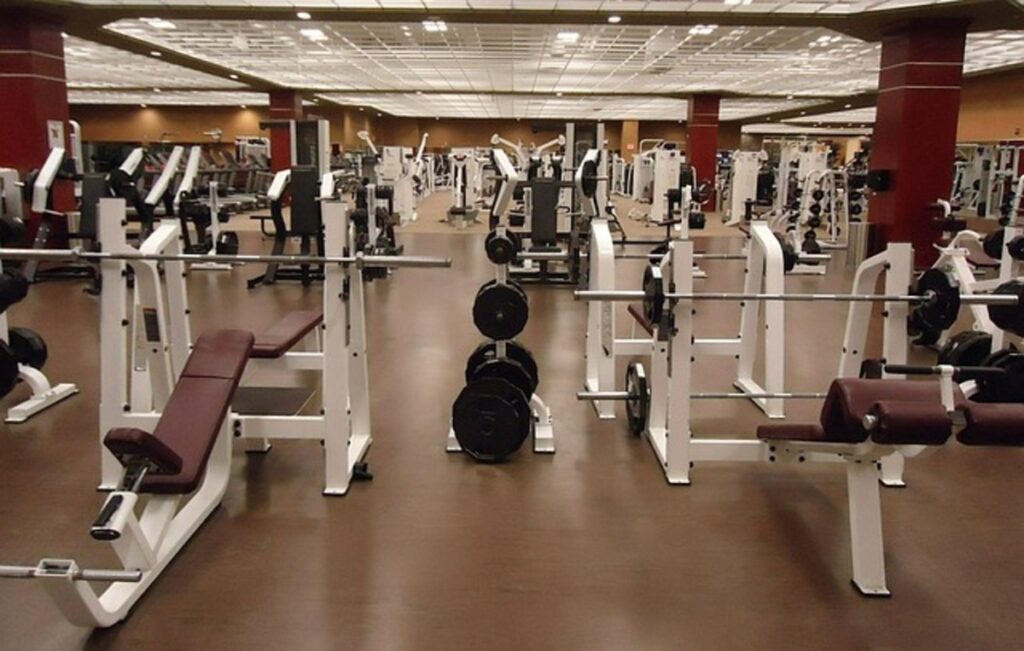
Fitness is an essential part of a healthy lifestyle, and having access to the right gym equipment can make a significant difference in achieving fitness goals. Whether you are a beginner or a seasoned athlete, understanding various gym equipment and their benefits can help you create a balanced workout routine. In this guide, we will explore different types of gym equipment, their advantages, and how to use them effectively to improve strength, endurance, and overall health. Ultimate Guide to Gym Fitness & Equipment for a Stronger You.
The Importance of Gym Fitness
Gym workouts provide numerous physical and mental benefits. Strength training, cardio exercises, and flexibility workouts contribute to overall well-being. Here are some key reasons why gym fitness is essential:
- Improves Strength and Endurance – Regular workouts enhance muscle strength, endurance, and stamina.
- Boosts Mental Health – Exercise releases endorphins, reducing stress, anxiety, and depression.
- Aids Weight Management – Gym workouts help burn calories and maintain a healthy weight.
- Enhances Cardiovascular Health – Activities like running and cycling improve heart health.
- Increases Flexibility and Mobility – Stretching and functional exercises keep joints and muscles flexible.
Essential Gym Equipment for Strength Training
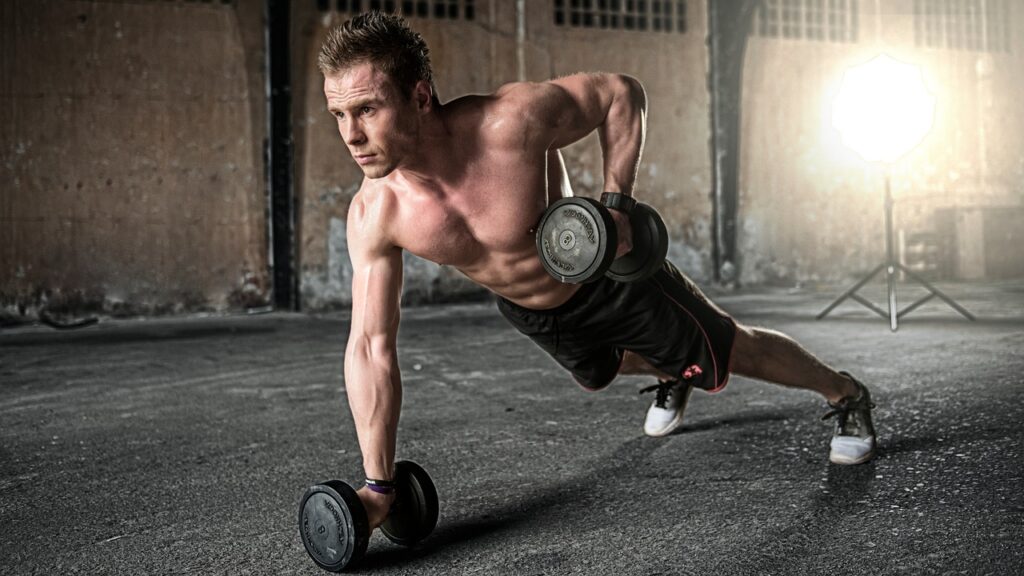
Strength training is vital for muscle growth and bone health. Here are some key pieces of gym equipment used for strength workouts:
1. Free Weights
Free weights provide a full range of motion and engage stabilizing muscles. They include:
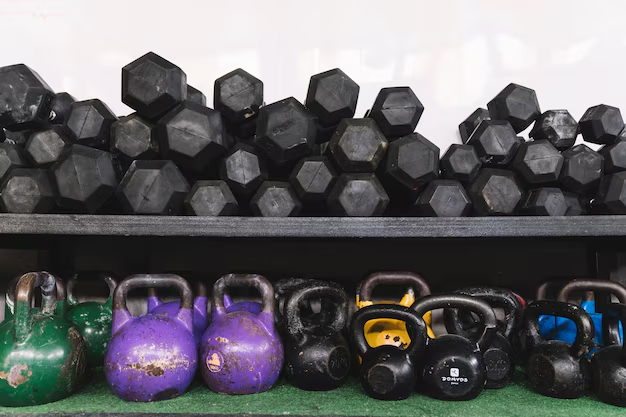
- Dumbbells – Great for compound exercises like bicep curls, shoulder presses, and lunges.
- Barbells – Used for heavy lifts such as squats, deadlifts, and bench presses.
- Kettlebells – Ideal for dynamic movements like swings, snatches, and Turkish get-ups.
2. Resistance Machines
Machines provide controlled movement and are excellent for beginners. Popular strength machines include:
- Leg Press Machine – Targets quadriceps, hamstrings, and glutes.
- Lat Pulldown Machine – Strengthens back muscles and improves posture.
- Chest Press Machine – Develops upper body strength by targeting the chest, shoulders, and triceps.
3. Boxing Gloves
- Essential for protecting hands and wrists during boxing workouts.
- Provide better grip and support during heavy bag training and sparring.
Best Cardio Equipment for Endurance and Fat Loss
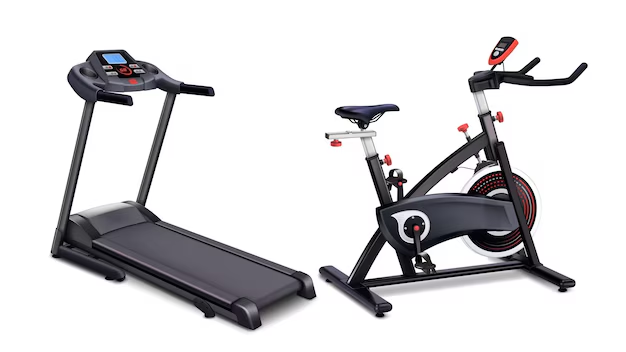
Cardiovascular workouts improve heart health and burn calories. The best cardio machines include:
1. Treadmill
- Perfect for walking, jogging, and running.
- Allows speed and incline adjustments for varied intensity.
2. Stationary Bike
- Provides a low-impact cardio workout that strengthens leg muscles.
- Great for improving endurance and cardiovascular fitness.
3. Rowing Machine
- Offers a full-body workout targeting the back, arms, and legs.
- Engages both strength and cardio elements for a balanced session.
4. Elliptical Trainer
- Low-impact exercise ideal for joint protection.
- Works the upper and lower body simultaneously.
5. Clutchers
- Enhance grip strength and forearm endurance.
- Ideal for improving hand coordination and grip stability.
Functional Training Equipment
Functional training improves coordination, balance, and agility. Popular equipment includes:
1. Battle Ropes
- Enhances cardiovascular fitness and builds upper body endurance.
- Helps with explosive power and grip strength.
2. Medicine Balls
- Uses body weight for resistance-based training.
- Strengthens core stability and improves flexibility.
3. Suspension Trainers (TRX)
- Useful for core training and explosive strength exercises.
- Can be incorporated into partner workouts.
4. Plyometric Boxes
- Great for jump training, improving explosive power and agility.
- Strengthens the lower body and enhances coordination.
5. Bosu Ball
- Used for balance training, core strengthening, and rehabilitation exercises.
- Enhances stability and coordination by engaging multiple muscle groups.
How to Choose the Right Gym Equipment
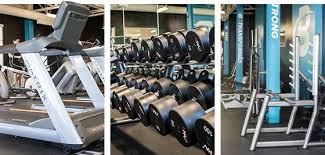
Selecting the best gym equipment depends on fitness goals and experience levels. Consider these factors:
- Fitness Goals – Identify whether you aim for weight loss, muscle gain, endurance, or flexibility.
- Experience Level – Beginners should start with guided machines before progressing to free weights.
- Budget and Space – If setting up a home gym, choose space-saving and multi-functional equipment.
Common Gym Mistakes to Avoid
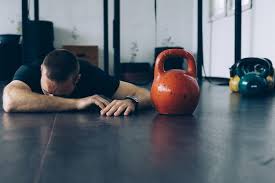
Many people make errors in the gym that can hinder progress or cause injuries. Here are some common mistakes:
- Skipping Warm-Ups – Always warm up to prepare muscles and prevent injuries.
- Lifting Too Heavy Too Soon – Gradually increase weights to avoid strain and injury.
- Ignoring Form and Posture – Poor form can lead to muscle imbalances and injuries.
- Neglecting Recovery – Muscles need time to repair and grow, so rest is crucial.
- Overlooking Nutrition – A well-balanced diet supports workout performance and results.
Creating a Balanced Gym Workout Routine
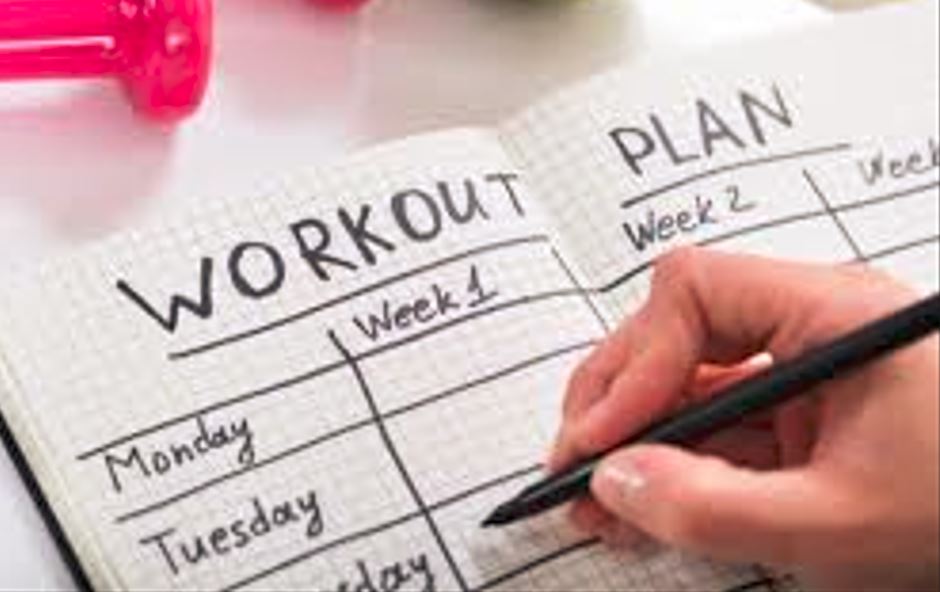
A well-rounded fitness routine includes strength, cardio, and flexibility exercises. A sample weekly workout plan:
- Monday: Strength Training (Upper Body) + Cardio
- Tuesday: Lower Body Strength + Core Workout
- Wednesday: Cardio and Flexibility (Yoga or Stretching)
- Thursday: Full-Body Strength Training
- Friday: High-Intensity Interval Training (HIIT)
- Saturday: Active Recovery (Walking or Light Stretching)
- Sunday: Rest or Low-Impact Activities
Conclusion
Gym fitness and equipment play a crucial role in achieving a healthy and fit lifestyle. By understanding different types of gym equipment, their benefits, and how to use them properly, you can create an effective and balanced workout routine. Whether focusing on strength training, cardio, or functional fitness, the right equipment will help you reach your goals efficiently. Stay consistent, train smart, and enjoy the journey to a stronger, healthier you!